
Typhoon Kalmaegi hits the Philippines, causing nearly 200 deaths and highlighting increasing extreme weather due to climate change.
Typhoon Kalmaegi hits the Philippines, causing nearly 200 deaths and highlighting increasing extreme weather due to climate change.
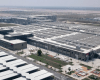
Lego’s new Vietnam factory will be entirely powered by renewable energy, promoting sustainability with solar energy and zero-waste initiatives.

Pakistan aims for electric vehicle adoption by 2030 but faces challenges from fossil fuel dependency, infrastructure, and industrial limitations.

The withdrawal of US funding hampers energy transitions in South Africa, Indonesia, and Vietnam, while China may provide necessary support.
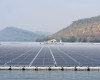
Thailand must aggressively scale solar power to achieve its 2050 net-zero target, facing entrenched gas interests and bureaucracy challenges.
China’s new Energy Law, effective January 2025, prioritizes renewable energy, sets development goals, promotes efficiency in fossil fuel use, and incorporates hydrogen into the energy management system.

Kyrgyzstan, a former Soviet state, plans to build its first 100MW wind farm in 2025, reducing its heavy reliance on energy imports and tapping into its untapped renewable energy potential.
Flooding in China’s Taklamakan Desert, triggered by high temperatures, snowmelt, and heavy rainfall, has raised concerns about climate change’s impact on the region’s water security and landscape.

Southeast Asia is advancing in solar energy adoption, although each country faces unique challenges impacting future growth and sustainability.
China’s marine progress includes ecological redlines, nature reserves, rare species recovery, green and low-carbon development, and international cooperation while addressing problematic species naming issues.
 A greener life, a greener world