
Floods in Nepal have caused significant devastation, highlighting climate injustice as communities face severe impacts from a crisis they contributed least to.
Floods in Nepal have caused significant devastation, highlighting climate injustice as communities face severe impacts from a crisis they contributed least to.
This week’s blog highlights significant global climate and energy events, noting an impending increase in average global temperatures beyond 1.5 degrees C.
In August 2026, devastating floods in Nepal have caused hundreds of deaths and significant destruction, linked to climate change effects.
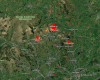
The live blog details global wildfires and extreme heat, highlighting ecological damage, particularly in Belgium’s High Fens nature reserve.
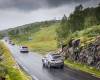
The 2026 Arctic Race of Norway promotes sustainability but grapples with the environmental impact of its fossil-fuel sponsor, Equinor.
China’s new five-year plan aims for peak carbon emissions by 2030, focusing on reducing energy consumption and promoting zero-carbon factories.

British Columbia faces a severe wildfire season with over 100 active fires, evacuations, and a state of emergency declared.
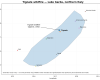
A wildfire near Lake Garda, Italy, has forced 200 evacuations as firefighters struggle to contain rapidly spreading flames amidst severe conditions.

The European wildfires intensify, especially in Greece, influenced by severe heat and drought, with ongoing evacuations and firefighting efforts.
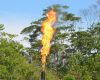
Fossil fuel free zones aim to protect ecologically significant areas from extraction, facing political and economic challenges. Their adoption is crucial for climate action.
 A greener life, a greener world