
China will discontinue fixed pricing for renewable energy, shifting to market-determined rates. This change aims to reflect market dynamics, enhance efficiency, and stimulate investment in ancillary services by June.
China will discontinue fixed pricing for renewable energy, shifting to market-determined rates. This change aims to reflect market dynamics, enhance efficiency, and stimulate investment in ancillary services by June.
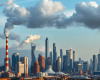
China’s first Biennial Transparency Report on Climate Change reveals rising greenhouse gas emissions, confirming that carbon emissions haven’t peaked yet. Goals set aim for carbon neutrality by 2060.

China’s oil demand is forecasted to peak at 770 million tonnes in 2025 before declining to 240 million tonnes by 2060, driven by shifts in transportation and energy consumption habits.

China’s solar industry struggles with severe competition and price declines, with over 30% of companies reporting losses. Despite challenges, long-term demand for low-carbon technologies remains strong.

China has completed a 46-year ‘green belt’ project around the Taklamakan desert, increasing forest coverage but facing criticism for biodiversity damage and limited impact on sandstorms. Desertification remains a challenge.
China’s new Energy Law, effective January 2025, prioritizes renewable energy, sets development goals, promotes efficiency in fossil fuel use, and incorporates hydrogen into the energy management system.
Weifang Port is China’s first carbon-neutral port, achieving this by using renewable energy and hydrogen vehicles. While progress is made, challenges in technology and policy hinder widespread adoption across the industry.

Competition is essential for the clean energy sector. Tariffs on Chinese imports may harm the US’s ability to innovate and lead in clean energy, potentially sparking a detrimental trade war.
Flooding in China’s Taklamakan Desert, triggered by high temperatures, snowmelt, and heavy rainfall, has raised concerns about climate change’s impact on the region’s water security and landscape.
China’s marine progress includes ecological redlines, nature reserves, rare species recovery, green and low-carbon development, and international cooperation while addressing problematic species naming issues.
 A greener life, a greener world