
Clean steel is gaining momentum towards commercialization, driven by demand, technology advancements, and supportive policies for decarbonization.
Clean steel is gaining momentum towards commercialization, driven by demand, technology advancements, and supportive policies for decarbonization.
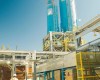
Microsoft’s investment in Fortera’s low-carbon cement technology aims to reduce carbon emissions significantly while meeting growing demand for sustainable materials.
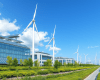
China has launched a program for zero-carbon industrial parks, focusing on carbon reduction through energy transition, infrastructure upgrades, and digital management.
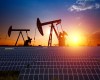
Femi Akinrebiyo offers insights on why Africa must harness its essential minerals for clean energy and develop local industries to maximise value.
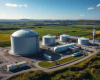
The UK has signed three hydrogen production contracts, initiating its first hydrogen facilities with 31.8 MW capacity, contributing to emissions reduction, economic growth, and a target of 10 GW by 2030.
Weifang Port is China’s first carbon-neutral port, achieving this by using renewable energy and hydrogen vehicles. While progress is made, challenges in technology and policy hinder widespread adoption across the industry.

The UK is falling short of its net-zero targets, needing urgent action across industries, as the government faces key recommendations.

Britain is making progress towards clean electricity, but faces challenges in transitioning to renewable heating. Heat pumps and alternative solutions emerge.
The recent election focused on reactivating change over specific policies. Labour’s ‘Change’ manifesto promises clean energy, transport investment, and more.

H2 Green Steel, a Swedish company, secures €4.75 billion for the world’s first large-scale green steel plant using green hydrogen, emitting 95% less CO2 emissions. Operations to start in 2025.
 A greener life, a greener world