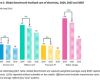
Research by BloombergNEF reveals ongoing declines in clean energy technology costs globally, driven by China. Wind, solar, and battery prices are predicted to drop significantly through 2035, enhancing market viability.
Research by BloombergNEF reveals ongoing declines in clean energy technology costs globally, driven by China. Wind, solar, and battery prices are predicted to drop significantly through 2035, enhancing market viability.
In 2024, clean energy investments hit $2.1 trillion, marking an 11% growth. Key areas included electrified transport and renewable energy, but emerging technologies faced declines due to risks. China led investments.
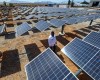
Mission 300 aims to provide electricity to 300 million Africans by 2030 through bold reforms, investments, and collaboration, leveraging renewables to enhance living standards and empower communities.

The EIA predicts solar power will drive US electricity growth, adding significant capacity while coal retirements continue increasing in coming years.

Donald Trump, as the 47th US President, prioritizes reversing Biden’s climate agenda, exiting the Paris Agreement, increasing fossil fuel production, and deregulating energy policies, despite climate concerns from environmental groups.

In 2024, the UK eliminated coal, while globally, coal demand rose, particularly in Germany and China. Future coal consumption remains uncertain due to increased electricity needs and emergent renewable energy sources.

The UK has signed three hydrogen production contracts, initiating its first hydrogen facilities with 31.8 MW capacity, contributing to emissions reduction, economic growth, and a target of 10 GW by 2030.

China’s oil demand is forecasted to peak at 770 million tonnes in 2025 before declining to 240 million tonnes by 2060, driven by shifts in transportation and energy consumption habits.

China’s solar industry struggles with severe competition and price declines, with over 30% of companies reporting losses. Despite challenges, long-term demand for low-carbon technologies remains strong.

By Jeremy Williams Over the past 200 years, political power has become deeply entwined with fossil fuels. The energy transition is now troubling the peace, and those alliances are shifting. As renewable […]
 A greener life, a greener world