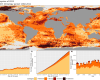
The UN’s World Meteorological Organization issued a dire warning about unprecedented climate impacts in 2023, with record-breaking temperatures and alarming ocean warming, signaling a red alert for escalating climate crisis in 2024.
The UN’s World Meteorological Organization issued a dire warning about unprecedented climate impacts in 2023, with record-breaking temperatures and alarming ocean warming, signaling a red alert for escalating climate crisis in 2024.

In February 2024, data from Copernicus Climate Change Service revealed the world’s warmest January and a 12-month period averaging over 1.5C above pre-industrial levels. Scientists emphasize the urgent need for substantial emissions reductions to reverse this trend. Uncertainty remains about whether 2024 will surpass 2023 in temperature records, emphasizing the critical need for increased global efforts to combat climate change.

2023 was confirmed as the warmest year ever recorded, exceeding previous records by a significant margin. Daily global surface air temperature increases were well above pre-industrial levels, with a concerning rise in CO2 concentration. Scientists remain uncertain about 2024’s prospects.

Prof Ed Hawkins’ iconic climate stripes will need a new colour to represent the record-breaking warming in 2023.

As the UN’s COP28 climate summit began, the WMO confirmed 2023 is on track to be the warmest year on record, approaching the 1.5°C target set in the Paris Agreement. The report urged urgent emissions reduction amid escalating climate impacts.
Ahead of the COP28 climate summit, UN scientists warn that the world is likely to heat by 3 degrees C this decade, double the target set in the 2015 Paris Agreement. This temperature increase could lead to irreversible changes, such as melting ice sheets and drying rainforests.
The WMO warns greenhouse gas levels are at record highs, leading to increased extreme weather and climate challenges.

The Net Zero Tracker found that half of the world’s 2000 largest companies aim for net-zero emissions by mid-century, yet only a small fraction meet UN guidelines. Inadequate targets and rising contention create a battleground ahead of the upcoming COP28 UN climate summit.

Arctic warming and potential Arctic permafrost methane release are primary climate concerns for former UK Chief Scientist David King, who advocates for global reductions in carbon emissions, CO2 removal, and refreezing damaged climate areas.

Ahead of the COP28 climate summit, UN scientists warn of potential ‘tipping points’ causing irreversible environmental damage due to climate change and overconsumption. They stress urgent action to prevent ecosystem collapse and widespread species extinction.
 A greener life, a greener world