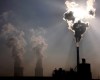
China plans to implement absolute emissions caps by 2027 and establish a nationwide emissions trading scheme by 2030.
China plans to implement absolute emissions caps by 2027 and establish a nationwide emissions trading scheme by 2030.

Daylight saving time (DST) remains controversial, with debates on its benefits and drawbacks for energy consumption and climate change ongoing globally.
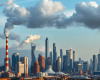
China’s first Biennial Transparency Report on Climate Change reveals rising greenhouse gas emissions, confirming that carbon emissions haven’t peaked yet. Goals set aim for carbon neutrality by 2060.

Along with a major expansion of renewable energy, India is also pushing for big increases in its coal production, casting doubt on its climate commitments.

As the UN’s COP28 climate summit began, the WMO confirmed 2023 is on track to be the warmest year on record, approaching the 1.5°C target set in the Paris Agreement. The report urged urgent emissions reduction amid escalating climate impacts.

Experts view FIFA’s claim of a green 2022 World Cup in Qatar skeptically, citing high emissions and questionable offsetting methods.
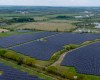
Forterra plans to source 70% renewable energy by 2025, significantly reducing carbon emissions through various net-zero initiatives and investments.
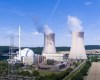
A recent report has shed light on the scale of the climate cost of Germany decommissioning its nuclear power plants.

PETA says the COP26 organisers are catering to climate disaster.
Due to the coronavirus emissions could drop 5% this year, but will it last?
 A greener life, a greener world