
Pakistan aims for electric vehicle adoption by 2030 but faces challenges from fossil fuel dependency, infrastructure, and industrial limitations.
Pakistan aims for electric vehicle adoption by 2030 but faces challenges from fossil fuel dependency, infrastructure, and industrial limitations.
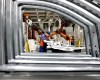
China’s EV sector must address supply chain emissions from steel and aluminium for effective decarbonization, especially amid growing electric vehicle production.

Tesla and BYD lead global EV rankings, with Chinese manufacturers dominating as tariffs raise concerns over cooperation.
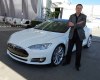
Exploring how targeting Tesla in response to Elon Musk’s political shifts may hinder the global transition to electric vehicles.
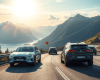
Norway is leading in electric vehicle adoption, with 88.9% of car sales in 2024 being electric. Consistent policies and high taxes on fossil-fuel vehicles drive this transition towards a greener future.
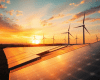
Competition is essential for the clean energy sector. Tariffs on Chinese imports may harm the US’s ability to innovate and lead in clean energy, potentially sparking a detrimental trade war.
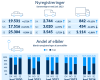
Denmark’s EV registrations surged to 50.9% of new car registrations, competing with Norway. Mobility Denmark attributes this to lower costs and taxes, with Tesla leading in popularity.

Norwegian-Danish cycling team Uno-X Mobility pioneers sustainable approach with all-electric vehicles at Tour de France, setting an example for greener racing.

EV owners could profit from two-way charging, but many are wary, and the tech is currently expensive.

Many people believe electric cars are too expensive, but the full cost of traditional cars isn’t considered. Western car companies prioritize luxury EVs, leaving affordable options to China. However, cheaper EVs are on the horizon.
 A greener life, a greener world