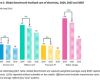
Research by BloombergNEF reveals ongoing declines in clean energy technology costs globally, driven by China. Wind, solar, and battery prices are predicted to drop significantly through 2035, enhancing market viability.
Research by BloombergNEF reveals ongoing declines in clean energy technology costs globally, driven by China. Wind, solar, and battery prices are predicted to drop significantly through 2035, enhancing market viability.

Greece has increased its renewable energy targets to 82% by 2030 amid climate challenges, focusing on wind and solar power, while requiring €95 billion for further energy advancements and climate adaptation.
Competition is essential for the clean energy sector. Tariffs on Chinese imports may harm the US’s ability to innovate and lead in clean energy, potentially sparking a detrimental trade war.

Kyrgyzstan, a former Soviet state, plans to build its first 100MW wind farm in 2025, reducing its heavy reliance on energy imports and tapping into its untapped renewable energy potential.
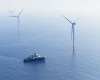
The UK’s sixth renewable energy auction results in 131 projects, powering 11 million homes, enhancing energy security and independence.

Texas, a major oil producer, is also a leader in clean energy, setting records in solar and wind power generation. Despite political resistance, it plans to install a substantial amount of clean energy capacity.

The Spanish government has approved nearly 300 renewable energy projects, totalling 28 GW, aiming for 81% renewable electricity mix by 2030 and creating 300,000 jobs.

Labour Party, led by Keir Starmer, wins by a landslide, signalling strong public support for climate action and economic growth.

Today, the UK faces a crucial election after enduring political upheaval. The ruling Conservatives encounter scrutiny for their climate strategy.

France aims for 45 GW of offshore wind by 2050, increasing competition and innovation in Europe.
 A greener life, a greener world