
Greenpeace’s $667 million judgment over Dakota Access Pipeline protests threatens its US operations. We examine the ongoing legal battle and free speech implications

Environmental blog with a focus on climate change.
Greenpeace’s $667 million judgment over Dakota Access Pipeline protests threatens its US operations. We examine the ongoing legal battle and free speech implications
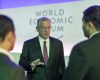
Al Gore emphasizes that local leaders will continue reducing emissions for economic reasons, believing momentum for climate action is unstoppable.
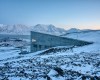
Learn how the Svalbard Global Seed Vault safeguards biodiversity and food security amid climate change and geopolitical conflicts, ensuring resilient crops.

Discover how the shock election of Demokraatit in 2025 mirrors Borgen’s gripping portrayal of Greenland’s geopolitical drama. Dive into expert insights and evolving climate concerns.

The author of Parenting in a Climate Crisis on living with parental guilt and joy in the climate crisis.
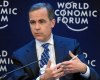
Climate advocate Mark Carney is set to become Canada’s next PM after winning the 2025 Liberal race. See his market approach amid the US-Canada trade war.

A selection of environmentally focused children’s books highlights collective action and activism for nature.

We are switching from a US-based web host to a sustainable Swiss provider to reduce our carbon footprint and decentralize our operations.

BP has reversed its net-zero ambitions, shifting back to fossil fuels. What’s behind this U-turn, and what does it mean for the energy transition?”

China’s firms lag in emissions reductions, facing pressures from regulations, carbon markets, and trade barriers.
 A greener life, a greener world