In 2024, clean energy investments hit $2.1 trillion, marking an 11% growth. Key areas included electrified transport and renewable energy, but emerging technologies faced declines due to risks. China led investments.

agreenerlifeagreenerworld
Environmental blog with a focus on climate change.
Opinion: How to close Africa’s energy access gap
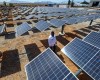
Mission 300 aims to provide electricity to 300 million Africans by 2030 through bold reforms, investments, and collaboration, leveraging renewables to enhance living standards and empower communities.
Analysis: Biden’s climate legacy

The Inflation Reduction Act represents a significant achievement for Biden’s climate agenda, but its long-term viability against Republican opposition remains uncertain. Biden’s communication shortcomings and conflicting priorities hindered broader climate action.
US solar capacity growth: EIA predicts major increase
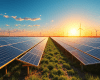
The EIA predicts solar power will drive US electricity growth, adding significant capacity while coal retirements continue increasing in coming years.
Viewpoint: What a gravity battery looks like
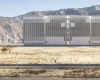
The post discusses gravity’s role in energy storage, highlighting pumped hydro’s dominance and emerging technologies like Energy Vault, which uses heavy blocks instead of water for renewable energy management.
Trump has started the attack on climate and clean energy policies
Donald Trump, as the 47th US President, prioritizes reversing Biden’s climate agenda, exiting the Paris Agreement, increasing fossil fuel production, and deregulating energy policies, despite climate concerns from environmental groups.
Extreme weather ran amok in 2024, report

The 2024 climate report highlights extreme weather fueled by climate change, resulting in over 3,700 deaths, millions displaced, and significant biodiversity loss due to intensified storms, floods, and droughts.
Analysis: The struggle to save Zimbabwe’s dying wetlands

Zimbabwe’s wetlands are under threat from urban expansion and unsustainable agriculture. Can state and community efforts reverse the damage?
Trump’s Greenland interest unmasks his hidden climate admission
Trump’s aggressive pursuit of Greenland is driven by strategic interests, economic opportunities, and climate change impacts on Arctic access.
Analysis: The Southern California wildfires bear the hallmarks of extreme heating; still, the climate crisis is barely mentioned

Southern California wildfires, ongoing since January 7, 2025, have led to 16 fatalities and extensive devastation in Greater Los Angeles, fueled by climate change and exacerbated by drought conditions.
 A greener life, a greener world