The withdrawal of US funding hampers energy transitions in South Africa, Indonesia, and Vietnam, while China may provide necessary support.
The withdrawal of US funding hampers energy transitions in South Africa, Indonesia, and Vietnam, while China may provide necessary support.

A Chinese company exports sustainable aviation fuel, becoming the first private exporter, enhancing future SAF export potential amid rising demand.
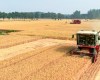
Henan province warns extreme heat threatens wheat yields, impacting China’s significant production and raising concerns over future supply.

Rising use of air con calls for more energy storage, electricity pricing reform and sturdier grid infrastructure, write two experts from think-tank Ember.

China’s firms lag in emissions reductions, facing pressures from regulations, carbon markets, and trade barriers.

China will discontinue fixed pricing for renewable energy, shifting to market-determined rates. This change aims to reflect market dynamics, enhance efficiency, and stimulate investment in ancillary services by June.
China’s first Biennial Transparency Report on Climate Change reveals rising greenhouse gas emissions, confirming that carbon emissions haven’t peaked yet. Goals set aim for carbon neutrality by 2060.

China’s oil demand is forecasted to peak at 770 million tonnes in 2025 before declining to 240 million tonnes by 2060, driven by shifts in transportation and energy consumption habits.

China’s solar industry struggles with severe competition and price declines, with over 30% of companies reporting losses. Despite challenges, long-term demand for low-carbon technologies remains strong.

China has completed a 46-year ‘green belt’ project around the Taklamakan desert, increasing forest coverage but facing criticism for biodiversity damage and limited impact on sandstorms. Desertification remains a challenge.
 A greener life, a greener world