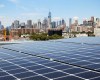
In May, solar power surpassed coal generation for the first time in the US, highlighting a significant shift towards renewable energy.
In May, solar power surpassed coal generation for the first time in the US, highlighting a significant shift towards renewable energy.

In early 2026, Europe’s wind power generation reached record levels, significantly influencing electricity markets amidst geopolitical energy crises.
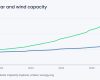
Record global solar and wind additions in 2025 highlight the accelerating energy transition—and its growing role in shielding economies from fossil fuel volatility and geopolitical risk.
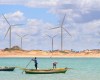
South America leads in renewable energy, but must also reform its energy systems to fully reduce fossil fuel reliance and enhance independence.
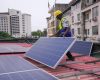
Nigeria faces severe electricity access issues, prompting support for solar solutions through blended finance to promote renewable energy growth.
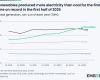
In early 2025, solar and wind installations surpassed electricity demand, marking a significant decline in coal and gas capacities.
The country already has a 94% renewable electricity mix, but plans to diversify by adding more than 100MW of solar by 2026.

A solar initiative in Rio’s favelas reduces energy poverty, empowers locals, and promotes sustainability through community participation and training.

We asked ChatGPT about its carbon footprint—how much energy does AI consume, and what’s its environmental impact? The answers might surprise you.

IEA forecasts a 4% annual surge in global electricity demand through 2027, driven by industrial growth and electrification
 A greener life, a greener world