Carbon dioxide removal requires an evolved financial architecture for scalability, enabling significant investment to meet global climate goals.
The world is approaching a positive tipping point towards clean steel. Here’s how to accelerate it

Clean steel is gaining momentum towards commercialization, driven by demand, technology advancements, and supportive policies for decarbonization.
COP30: China’s emissions may have peaked – a global climate milestone
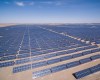
China’s emissions may have peaked, new data shows, marking a turning point ahead of COP30 as solar, wind and EV growth reshape the country’s carbon footprint.
Europe’s largest oil and gas producer – an unlikely climate ally amidst Trump’s rallying against the clean energy economy
Norway’s sovereign wealth fund pressures portfolio companies toward net-zero emissions by 2050, highlighting climate risk as a financial risk.
COP30 report: Critical coal dependency highlights climate action failures

A report highlights the urgent need to reduce global coal dependency for climate targets, with countries lagging on necessary emissions reductions.
How Halloween’s pumpkin obsession became an environmental nightmare

As Halloween nears, millions of UK pumpkins end up in the bin. Here’s how our pumpkin obsession fuels waste, emissions, and water loss.
The scaling up of low-carbon cement production boosted by Microsoft investment
Microsoft’s investment in Fortera’s low-carbon cement technology aims to reduce carbon emissions significantly while meeting growing demand for sustainable materials.
China’s carbon market set to introduce absolute emissions caps by 2027
China plans to implement absolute emissions caps by 2027 and establish a nationwide emissions trading scheme by 2030.
Wildfires in Europe burns highest ever amount of land in 2025

The EU faces record wildfires in 2025, losing 1,028,000 hectares, primarily affecting Spain and Portugal, exacerbating climate change.
Analysis: EV makers are still far from green
China’s EV sector must address supply chain emissions from steel and aluminium for effective decarbonization, especially amid growing electric vehicle production.
 A greener life, a greener world