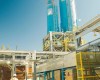
Microsoft’s investment in Fortera’s low-carbon cement technology aims to reduce carbon emissions significantly while meeting growing demand for sustainable materials.
Microsoft’s investment in Fortera’s low-carbon cement technology aims to reduce carbon emissions significantly while meeting growing demand for sustainable materials.
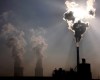
China plans to implement absolute emissions caps by 2027 and establish a nationwide emissions trading scheme by 2030.

The EU faces record wildfires in 2025, losing 1,028,000 hectares, primarily affecting Spain and Portugal, exacerbating climate change.
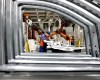
China’s EV sector must address supply chain emissions from steel and aluminium for effective decarbonization, especially amid growing electric vehicle production.
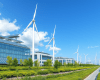
China has launched a program for zero-carbon industrial parks, focusing on carbon reduction through energy transition, infrastructure upgrades, and digital management.

In 2024, wildfires surpassed logging as the main cause of record tropical forest loss, resulting in significant greenhouse gas emissions.

Biochar-based carbon dioxide removal is transforming the carbon market, driving demand for reliable credits and enhancing corporate climate strategies.

Daylight saving time (DST) remains controversial, with debates on its benefits and drawbacks for energy consumption and climate change ongoing globally.

Explore how the EU’s recent decision to extend transport emission targets impacts the automotive industry and climate goals.

Al Gore emphasizes that local leaders will continue reducing emissions for economic reasons, believing momentum for climate action is unstoppable.
 A greener life, a greener world