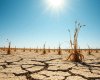
UK farmers faced catastrophic harvest losses exceeding £800 million in 2025 due to extreme drought and climate impacts, worsening conditions.
UK farmers faced catastrophic harvest losses exceeding £800 million in 2025 due to extreme drought and climate impacts, worsening conditions.
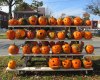
As Halloween nears, millions of UK pumpkins end up in the bin. Here’s how our pumpkin obsession fuels waste, emissions, and water loss.

Explore 12 key environmental facts about Brazil in 2025, from Amazon deforestation trends and renewable energy expansion to COP30 preparations and biodiversity conservation.

In 2024, wildfires surpassed logging as the main cause of record tropical forest loss, resulting in significant greenhouse gas emissions.

World Environment Day emphasizes combating plastic pollution, hosted by Korea, urging global action for sustainable practices and solutions.
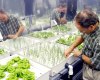
Research shows vertical farming, driven by fresh vegetable demand and climate change, is set to grow to $6.46 billion by 2027, employing techniques like hydroponics and addressing arable land declines.
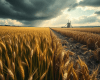
Severe weather led to one of the worst arable crop harvests in the UK, with significant losses in wheat, barley, and oilseed rape, while oat production increased, highlighting vulnerability to climate change.
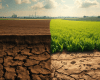
Soil health is declining globally due to climate change and industrial farming, prompting urgent need for sustainable agricultural practices and restoration.
The University of Reading and Forest Research have released a guide to assist UK farmers in selecting suitable tree species for agroforestry systems.

Rye, an ancient grain, offers health benefits and climate resilience compared to wheat, being lower in carbon footprint and more adaptable to poor soils. Increased rye cultivation could enhance biodiversity and soil health.
 A greener life, a greener world