
The 2026 Arctic Race of Norway promotes sustainability but grapples with the environmental impact of its fossil-fuel sponsor, Equinor.
The 2026 Arctic Race of Norway promotes sustainability but grapples with the environmental impact of its fossil-fuel sponsor, Equinor.
Hainan plans to ban new combustion cars by 2030, aiming for 45% new energy vehicles, surpassing China’s national target of 30%.
In May 2026, China saw all bestselling cars as new energy vehicles, signaling a shift in the automotive market despite declining sales.

China initiated its first renewable energy-integrated railway project, aiming for significant carbon emission reductions and enhanced energy efficiency.

Pakistan aims for electric vehicle adoption by 2030 but faces challenges from fossil fuel dependency, infrastructure, and industrial limitations.
China’s EV sector must address supply chain emissions from steel and aluminium for effective decarbonization, especially amid growing electric vehicle production.
Inside the Arctic Race of Norway 2025: cycling, EV logistics, fragile Arctic landscapes, and the debate over Equinor’s role in a green future.
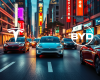
Tesla and BYD lead global EV rankings, with Chinese manufacturers dominating as tariffs raise concerns over cooperation.

A Chinese company exports sustainable aviation fuel, becoming the first private exporter, enhancing future SAF export potential amid rising demand.

India’s rail network achieves 100% electrification, enhancing efficiency and reducing emissions, while transitioning to renewable energy by 2030.
 A greener life, a greener world