
China aims to integrate scalable AI models into its energy system through pilot projects, seeking to enhance industry efficiency and innovation.
China aims to integrate scalable AI models into its energy system through pilot projects, seeking to enhance industry efficiency and innovation.
Colombia’s energy transition requires prioritizing renewables and demand management to replace coal and gas while ensuring electricity reliability.
China’s emissions may have peaked, new data shows, marking a turning point ahead of COP30 as solar, wind and EV growth reshape the country’s carbon footprint.
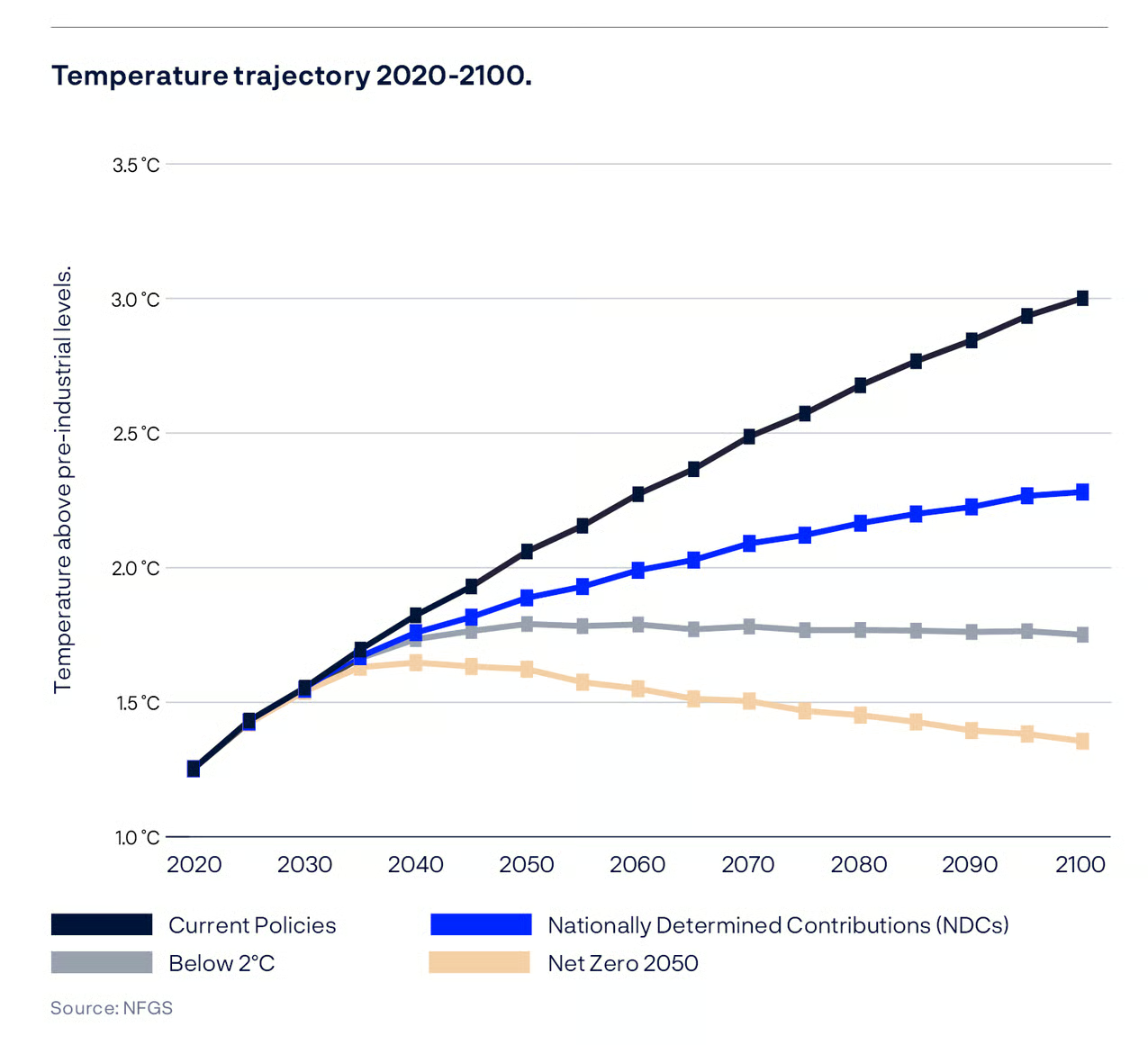
Norway’s sovereign wealth fund pressures portfolio companies toward net-zero emissions by 2050, highlighting climate risk as a financial risk.
Somalia’s renewable energy potential can alleviate poverty, reduce emissions, and drive socioeconomic growth but requires strategic investments and policies.

China is advancing ocean energy development, focusing on wave power technologies to boost capacity and secure energy supplies by 2030.
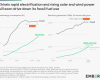
A new Ember report shows China’s clean energy surge is transforming the global economy, with record solar, wind, storage, and investment reducing fossil fuel demand.
Claudia Sheinbaum’s reforms prioritize renewable energy in Mexico, balancing state utility dominance with increased private investment for a greener future.
China has launched a program for zero-carbon industrial parks, focusing on carbon reduction through energy transition, infrastructure upgrades, and digital management.

China’s clean energy investments are transforming ecosystems, promoting decarbonization, climate resilience, and sustainable development through innovative renewable energy solutions.
 A greener life, a greener world