China has launched a program for zero-carbon industrial parks, focusing on carbon reduction through energy transition, infrastructure upgrades, and digital management.
China has launched a program for zero-carbon industrial parks, focusing on carbon reduction through energy transition, infrastructure upgrades, and digital management.

China’s clean energy investments are transforming ecosystems, promoting decarbonization, climate resilience, and sustainable development through innovative renewable energy solutions.

This Earth Day, explore the global shift to renewable energy and how citizens and governments are embracing clean power for a sustainable future.

Femi Akinrebiyo offers insights on why Africa must harness its essential minerals for clean energy and develop local industries to maximise value.

Al Gore emphasizes that local leaders will continue reducing emissions for economic reasons, believing momentum for climate action is unstoppable.

BP has reversed its net-zero ambitions, shifting back to fossil fuels. What’s behind this U-turn, and what does it mean for the energy transition?”

Resilience is crucial for corporations to adapt to climate challenges, ensuring sustainability and stakeholder engagement amidst geopolitical uncertainties and environmental risks.
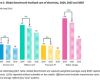
Research by BloombergNEF reveals ongoing declines in clean energy technology costs globally, driven by China. Wind, solar, and battery prices are predicted to drop significantly through 2035, enhancing market viability.
In 2024, clean energy investments hit $2.1 trillion, marking an 11% growth. Key areas included electrified transport and renewable energy, but emerging technologies faced declines due to risks. China led investments.
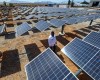
Mission 300 aims to provide electricity to 300 million Africans by 2030 through bold reforms, investments, and collaboration, leveraging renewables to enhance living standards and empower communities.
 A greener life, a greener world