
The oil crises have historically spurred environmental action and innovation, highlighting the urgency for renewable energy amid geopolitical tensions.
The oil crises have historically spurred environmental action and innovation, highlighting the urgency for renewable energy amid geopolitical tensions.

Chevron and other companies may invest in Venezuela’s oil sector after a leadership change, but significant challenges and uncertainties remain.

World leaders at Davos focused on geopolitical tensions affecting climate cooperation, with Macron urging multilateralism amid rising divisions.
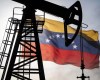
US control of Venezuelan oil assets raises questions about energy strategy, geopolitical leverage, and international law.

The withdrawal of US funding hampers energy transitions in South Africa, Indonesia, and Vietnam, while China may provide necessary support.

Exploring how targeting Tesla in response to Elon Musk’s political shifts may hinder the global transition to electric vehicles.

Al Gore emphasizes that local leaders will continue reducing emissions for economic reasons, believing momentum for climate action is unstoppable.

The Inflation Reduction Act represents a significant achievement for Biden’s climate agenda, but its long-term viability against Republican opposition remains uncertain. Biden’s communication shortcomings and conflicting priorities hindered broader climate action.

The EIA predicts solar power will drive US electricity growth, adding significant capacity while coal retirements continue increasing in coming years.

Trump’s aggressive pursuit of Greenland is driven by strategic interests, economic opportunities, and climate change impacts on Arctic access.
 A greener life, a greener world