
The 2026 World Cup is set to be the most attended and carbon-intensive tournament ever, primarily due to expanded travel demands.
The 2026 World Cup is set to be the most attended and carbon-intensive tournament ever, primarily due to expanded travel demands.

The carbon footprint of Easter Eggs in 2026 reflects production methods, packaging, and energy market volatility, significantly impacting environmental impact.

Daylight saving time’s relevance is questioned amid renewable energy changes, reflecting a significant shift from its original purpose in energy use.

A Ningxia company was fined RMB 424 million for failing to submit carbon allowances, marking China’s largest penalty in its carbon market.
Carbon dioxide removal requires an evolved financial architecture for scalability, enabling significant investment to meet global climate goals.

Clean steel is gaining momentum towards commercialization, driven by demand, technology advancements, and supportive policies for decarbonization.

China’s emissions may have peaked, new data shows, marking a turning point ahead of COP30 as solar, wind and EV growth reshape the country’s carbon footprint.
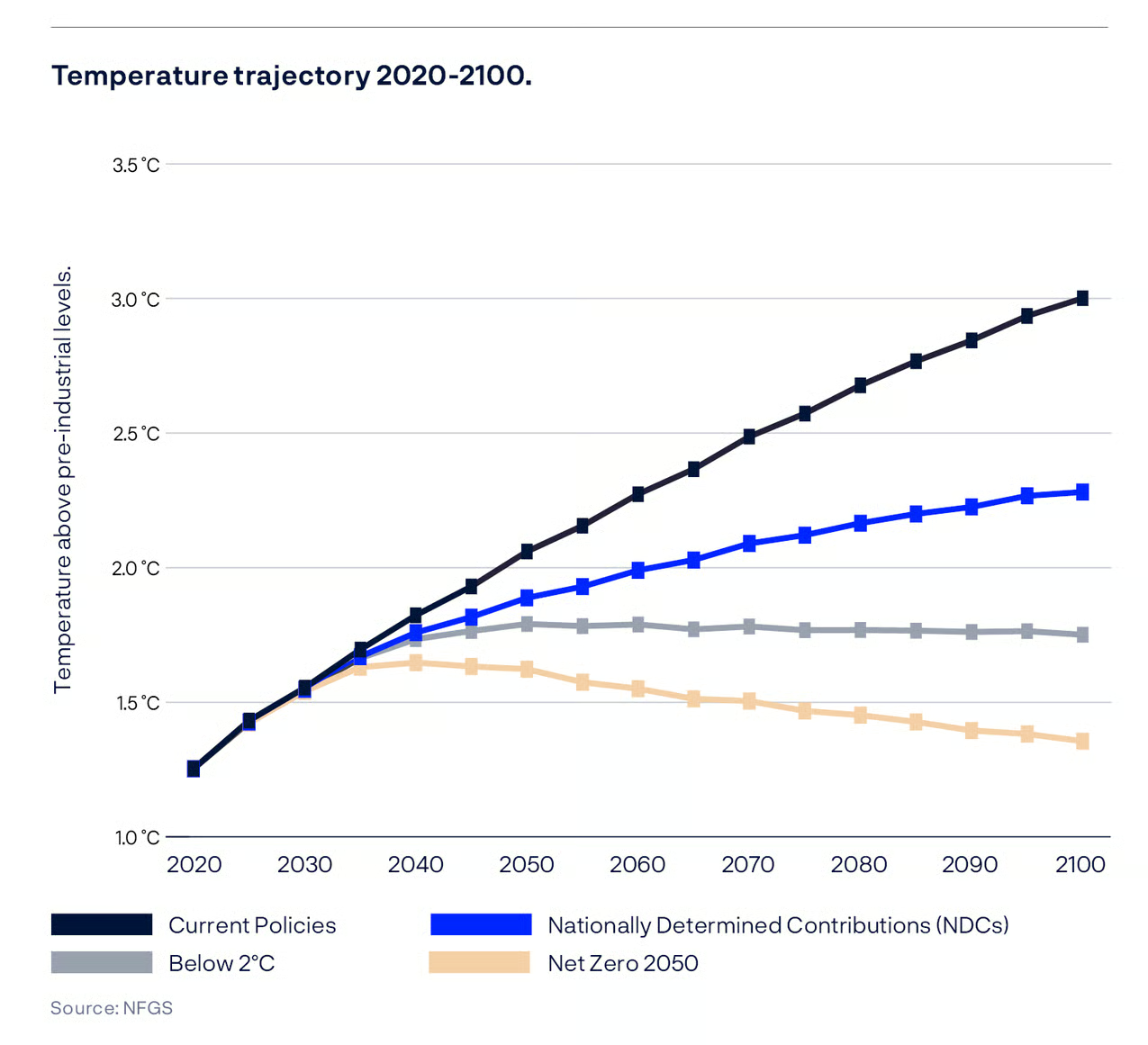
Norway’s sovereign wealth fund pressures portfolio companies toward net-zero emissions by 2050, highlighting climate risk as a financial risk.

A report highlights the urgent need to reduce global coal dependency for climate targets, with countries lagging on necessary emissions reductions.

As Halloween nears, millions of UK pumpkins end up in the bin. Here’s how our pumpkin obsession fuels waste, emissions, and water loss.
 A greener life, a greener world