Flooding in China’s Taklamakan Desert, triggered by high temperatures, snowmelt, and heavy rainfall, has raised concerns about climate change’s impact on the region’s water security and landscape.
Climate impacts force fewer Danes to buy a house near the sea

Denmark, a low-lying country, faces climate impacts as sea levels rise. Danes are less interested in living near water due to climate concerns. Groundwater levels are higher, causing worry among homeowners about flooding. Buyers now seek homes with flood insurance.
China shows off ocean protection progress
China’s marine progress includes ecological redlines, nature reserves, rare species recovery, green and low-carbon development, and international cooperation while addressing problematic species naming issues.
Greece: A dangerous summer ahead
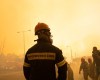
Greek Prime Minister warns of potential severe wildfires due to persistent drought and windy conditions. Country implements measures to mitigate risk.
Paris 2024 – athletes brace themselves for sweltering temperatures
The Paris 2024 Olympic Games face concerns about extreme heat, with plans for environmentally-friendly measures and innovative technologies to mitigate effects.
US 2024 election: Northern US states struggle with deadly heat

A heat wave hits US, breaking temperature records and causing wildfires. Governors activate emergency centers, warning of deadly impacts.
Pakistan’s heatwave exceeds 52 degrees C
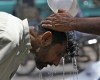
A severe heatwave hits Sindh, Pakistan, with temperatures exceeding 52°C and raising concerns about the impact of climate change.
Avocado´s climate challenge

The Christian Aid report reveals a significant threat to global avocado production due to climate change’s impact on water availability.
The heat has no end in sight – hottest April ever recorded
April 2024 is the warmest on record, with the past 11 months also setting new records, raising concerns for global temperatures.
Coral reefs suffer another tragic bleaching event – NOAA
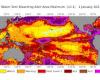
The National Oceanic and Atmospheric Administration reports the fourth global bleaching event, impacting 54+ countries, posing severe threats to coral reefs.
 A greener life, a greener world